



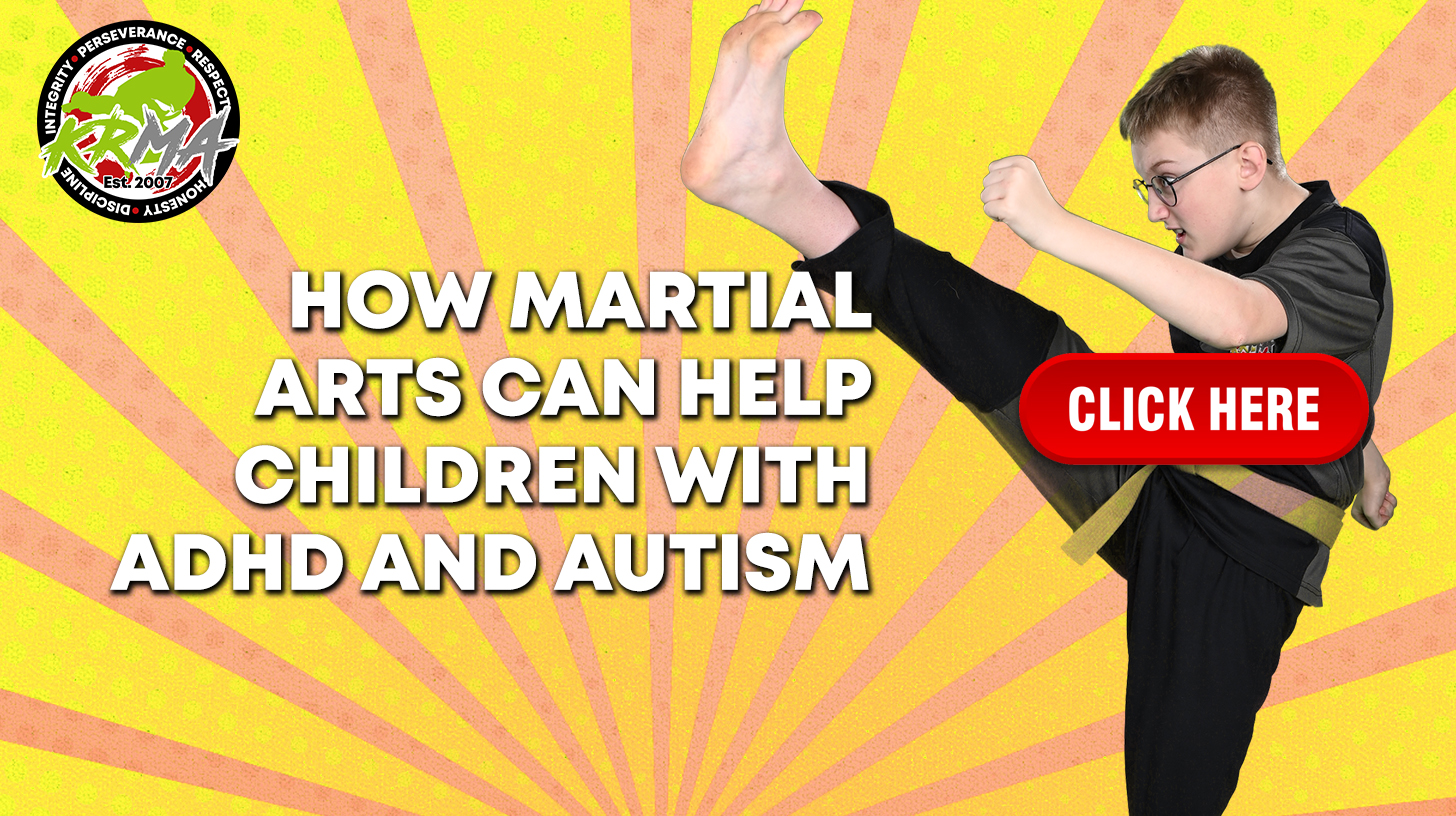
How Martial Arts Can Help Children with ADHD and Autism
If you are raising a child with ADHD or autism, you will already know that the world does not always feel built for them.
Some children struggle with focus.
Some struggle with change.
Some struggle with emotions that feel huge and immediate.
Some want to do well so badly that even a small mistake can hit them harder than people realise.
And that is why the right martial arts school can make such a difference.
Not because martial arts is a miracle cure.
Not because every lesson is easy.
And not because progress happens overnight.
But because martial arts can offer something many neurodivergent children deeply need: routine, structure, movement, clear expectations, repetition, and a safe place to keep growing. Research on children and young people with ADHD shows that physical activity can support executive function, including areas such as inhibitory control, working memory and cognitive flexibility. Reviews of exercise in autistic children also report benefits, especially in areas like social skills and broader wellbeing.
This matters to me personally
This is not something I only understand as an instructor.
I understand it because I was that child.
I know what it is like to have a mind that does not always slow down. I know what it feels like to care deeply, get frustrated quickly, and take setbacks harder than other people expect. I know what it is like to want to do well but feel like your own brain or emotions are getting in the way.
That is why I look at children with ADHD and autism differently.
I do not see a “difficult child”.
I do not see a child who simply needs to “try harder”.
I see a child who may need the right environment, the right structure, and adults who understand what is really going on underneath the surface.
Why routine matters so much
For many autistic children, routine is not just helpful — it can be a major source of safety and stability. The NHS and the National Autistic Society both highlight that predictability, order and routine can help reduce anxiety, support self-regulation, and make daily life feel more manageable.
Children with ADHD can benefit from structure too. ADHD is not only about attention or hyperactivity. Emotional dysregulation is also common, and predictable systems can help reduce overwhelm and make it easier for children to understand what is expected of them. NHS Dorset notes that emotional dysregulation affects many people with ADHD, and Berkshire Healthcare points out that what looks like defiance can sometimes be hidden anxiety or difficulty self-regulating.
A well-run martial arts class naturally includes many of these supportive elements:
a consistent start and finish
clear rules and boundaries
repeated movements and routines
turn-taking
listening and responding
gradual progression
a sense of order
For many children, that kind of structure is calming. It gives them something reliable to hold onto.
Why martial arts can be especially helpful
Martial arts is not just “exercise”. It combines movement, discipline, memory, timing, body control and repetition in one environment.
That matters, because research suggests that structured physical activity can support cognitive and behavioural development in children with ADHD, while martial arts-specific studies and reviews have found promising effects on attention and executive function.
There is also research suggesting that martial arts-based interventions may benefit autistic children in areas such as motor skills, executive functioning, behaviour and social development, although the quality of studies varies and more strong research is still needed.
In everyday terms, that can mean children get regular opportunities to practise:
following instructions
waiting their turn
controlling their bodies
remembering sequences
coping with challenge
trying again after mistakes
being part of a group
That is one of the reasons martial arts can be such a powerful long-term activity for neurodivergent children.
When a child wants to quit, look deeper
This is one of the biggest things I would want parents to understand.
Sometimes a child says, “I don’t want to go.”
And of course, sometimes that genuinely means the activity is not right for them.
But not always.
Sometimes it means:
“I felt embarrassed.”
“I wasn’t good at it straight away.”
“I got corrected and it really hurt.”
“Someone else seemed better than me.”
“I felt overwhelmed.”
“It felt hard, and I don’t know how to handle that feeling yet.”
Those are not the same thing as truly not enjoying martial arts.
They are often signs that something deeper is going on.
ADHD, autism and intense reactions to setbacks
Many parents of children with ADHD will have heard the term RSD, or rejection sensitive dysphoria. It is important to say this carefully: RSD is a popular term used in ADHD communities, but it is not a formal medical diagnosis. What is well recognised, though, is that many people with ADHD experience emotional dysregulation, and some react very strongly to criticism, correction, frustration or perceived rejection.
This can show up in martial arts very quickly.
A child might seem angry, silly, defiant or shut down after being corrected.
But underneath that, the real feeling may be:
shame
frustration
embarrassment
fear of failing
fear of disappointing someone
feeling “not good enough”
That is why it is so important not to judge the reaction too quickly.
The behaviour you see is not always the whole story.
Why quitting when things get hard can become a problem
Every parent wants to protect their child. That is natural.
But there is a difference between protecting a child and accidentally teaching them that every difficult feeling means they should stop.
If a child only continues with activities when they feel instantly successful, they can start to build a dangerous belief:
“If I find this hard, it means I am not meant to do it.”
That belief can follow them into school, friendships, work, and life.
Sometimes the better lesson is this:
“This feels hard right now, but hard does not mean hopeless.”
That is one of the most valuable lessons martial arts can teach.
Not perfection.
Not instant confidence.
But resilience.
What good martial arts support looks like
Not every martial arts class will be the right fit for a child with ADHD or autism. The teaching approach matters.
Good support does not mean lowering standards or expecting nothing from them. It means teaching in a way that helps them succeed.
That may include:
clear and simple instructions
consistent routines
repetition without shame
breaking skills into smaller steps
calm correction
praise for effort and progress, not just perfect performance
helping a child reset after frustration rather than labelling them as naughty
For autistic children especially, predictable routines and understanding sensory or communication needs can make a huge difference. For children with ADHD, structure, movement, emotional support and realistic progression can help them stay engaged for longer and feel more capable over time.
What I want parents to remember
If your child finds martial arts hard at first, that does not automatically mean it is wrong for them.
Sometimes it means they are standing at the edge of something important.
Something that could help them build:
confidence
self-control
resilience
focus
discipline
emotional growth
And yes, that journey may be messy.
There may be tears.
There may be frustration.
There may be moments when they want to give up.
But that does not mean there is no value in continuing.
Sometimes the deepest growth happens when a child learns that they can struggle, wobble, feel discouraged, and still keep going.
From one ADHD kid to another
This is why I care so much about this topic.
Because I know what it is like to be a child with ADHD.
I know what it feels like when your emotions are bigger than people expect. I know how easy it is to feel misunderstood. And I also know how powerful it can be when someone sees past the struggle and keeps believing in you anyway.
That is what good martial arts instruction should do.
It should not just teach punches, kicks or patterns.
It should help a child discover that they are capable of more than they thought.
Final thoughts from me
Martial arts will not remove ADHD.
It will not “cure” autism.
And it will not make every hard day disappear.
But with the right teaching, the right environment and the right support, it can become a powerful tool for helping children grow in confidence, routine, resilience and self-belief. Evidence for physical activity and martial-arts-style interventions is encouraging, especially around executive function, attention and some social or behavioural outcomes, though study quality still varies and results are not identical for every child.
And sometimes, what a child needs most is not an activity that feels easy straight away.
Sometimes they need a place that helps them learn:
“I can do hard things.”
Have a great day today
Sensei Andy