






Why Martial Arts Can Become a Positive Third Place for Children
Home and school occupy much of a child’s week. A regular activity can offer another setting where they pursue an interest, see familiar people and take part in a community.
Martial arts can become one of these places. This article develops an idea shared by KRMA on 2 May 2024: a positive place beyond home and school.
What Do We Mean by a Third Place?
Here, a third place means somewhere outside home and school where a child can spend time with others and pursue an interest. It need not be martial arts. The important question is whether the setting suits the child and offers a positive experience of participation.
Somewhere Beyond Home and School
A regular class can provide continuity within the week. Children have an activity to return to and opportunities to become familiar with its routines, instructors and other participants.
That does not mean every child will settle immediately. Some enjoy joining a group straight away; others need time, reassurance or adjustments before they feel comfortable.
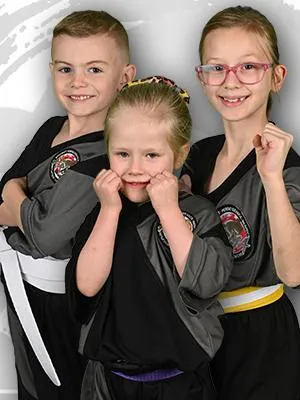
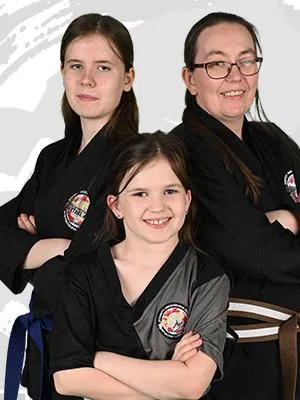
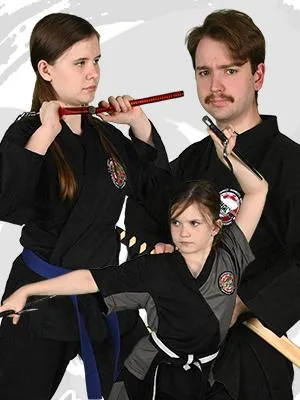
Belonging to a Martial Arts Community
A structured martial arts environment can offer:
Regular participation around a shared interest.
Relationships with peers and instructors.
Opportunities to practise respect and teamwork.
Achievable challenges and goals.
A sense of belonging and continuity.
These are opportunities rather than guaranteed outcomes. The child’s experience, the quality of instruction and the atmosphere in the class all matter.
Familiar Faces and Shared Goals
Returning to a class allows children to see people repeatedly and work on skills together. Partner exercises and group activities can create reasons to cooperate, listen and recognise another person’s effort.
Children do not need identical abilities or ambitions to share an activity. A useful environment gives each student something appropriate to work towards while making room for different rates of progress.
Choosing the Right Environment for Your Child
Look at how instructors communicate, how children are included and whether expectations are explained clearly. Ask how the class supports a child who is unsure about joining in or needs an exercise adapted.
Listen to your child’s experience as well as observing the class. A positive third place should be an activity they can participate in at a manageable pace, rather than another source of pressure.
Explore KRMA’s children’s martial arts classes to learn about the available programmes. The aim is to find an environment that fits your child, their interests and their needs.